Navigating the complex world of knife laws can be challenging for both casual carriers and enthusiasts. This comprehensive guide will help you understand the legal implications of carrying a pocket knife in public, ensuring you stay compliant with local and state regulations while enjoying the practical benefits of having a reliable EDC knife at hand.
What Types of Knives Are Legal to Carry?
Different jurisdictions have varying regulations regarding knife carry. Generally, folding knives with blades under 3-4 inches are legal in most places. However, certain types of knives, such as switchblades, butterfly knives, and gravity knives, may be restricted or prohibited.
Understanding State-Specific Knife Laws
Each state maintains its own set of knife laws and regulations. Some states are more permissive, while others impose strict restrictions on:
- Blade length
- Knife type
- Concealed carry vs. open carry
- Location restrictions
California’s Knife Laws: A Complex Example
California knife laws serve as an interesting case study. The state allows:
- Open carry of most folding knives
- Concealed carry of folding knives
- Fixed blade knives must be carried openly
However, local ordinances may impose additional restrictions.
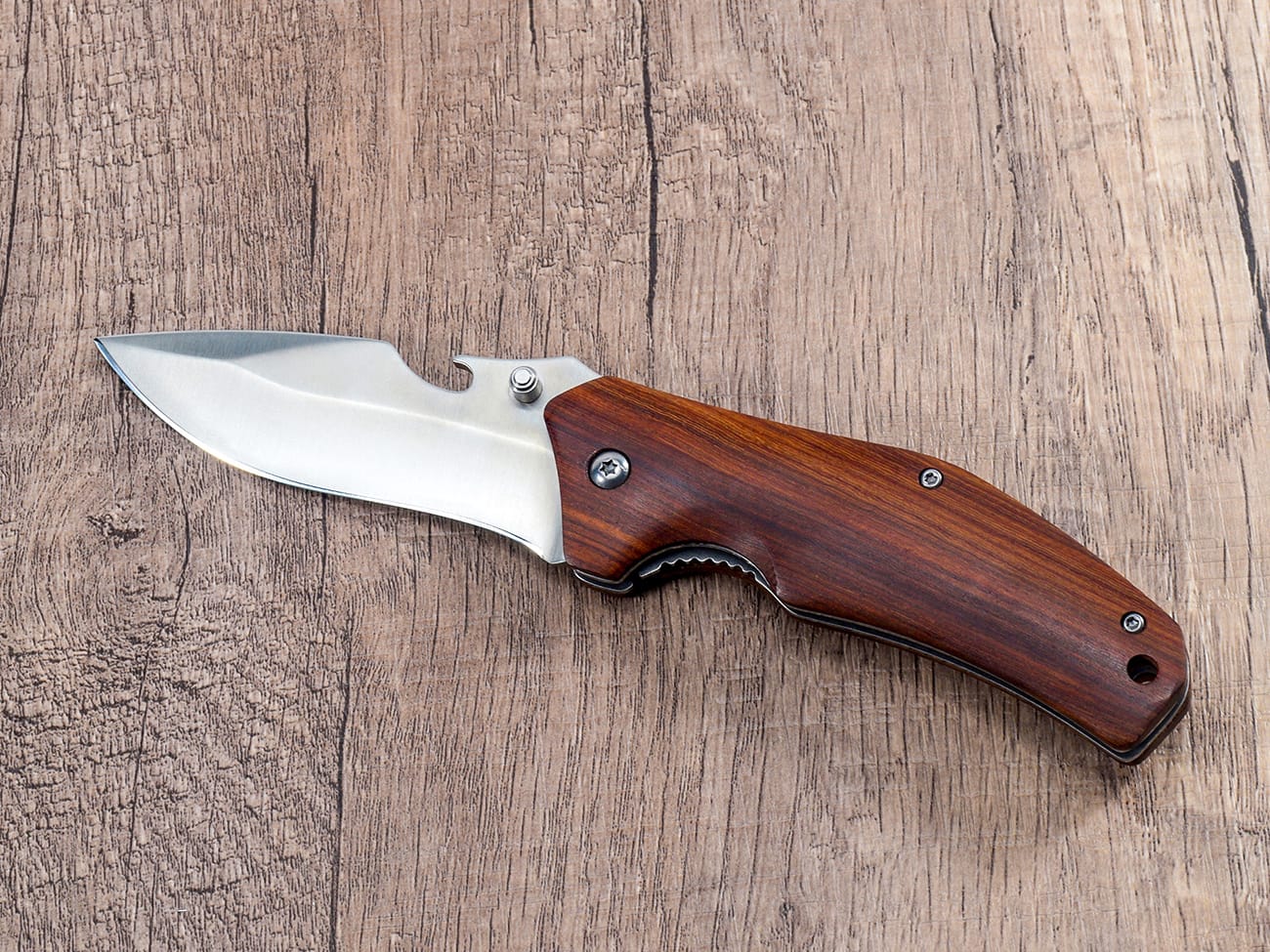
Can I Carry a Knife Concealed?
The rules for concealed carry vary by jurisdiction:
- Many states allow concealed carry of pocket knives
- Some require open carry
- Blade length often determines legality
- Certain locations may prohibit concealed carry
Where Are Knives Prohibited?
Most jurisdictions restrict knife carry in:
- Schools and educational institutions
- Government buildings
- Courthouses
- Airports and airplanes
- Public transportation
- Private establishments with “no weapons” policies
How Does Blade Length Affect Legality?
Blade length is a crucial factor in determining legality:
- Most states allow blades under 3-4 inches
- Longer blades may require open carry
- Some locations have stricter length restrictions
- Fixed blade knives often have different requirements
What About Multi-Tool and Swiss Army Knives?
Multi-tools and Swiss Army knives typically enjoy more lenient treatment:
- Generally considered tools rather than weapons
- Usually legal to carry
- May still be subject to blade length restrictions
- Often exempt from certain knife regulations
Are There Age Restrictions for Carrying Knives?
Age restrictions commonly apply:
- Must be 18 or older in many jurisdictions
- Some areas allow minors to carry with adult supervision
- School policies may have additional restrictions
- Certain knife types may have higher age requirements
How Should You Transport Knives Across State Lines?
When traveling between states:
- Research destination state laws
- Consider blade length restrictions
- Understand concealed carry regulations
- Keep documentation of legal compliance
Key Considerations for Safe and Legal Knife Carry
Remember these essential points:
- Always check local laws before carrying
- Maintain awareness of restricted areas
- Consider the purpose of carry
- Use appropriate carrying methods
- Exercise responsible handling
Important Points to Remember:
• Research and understand your local knife laws • Be aware of blade length restrictions • Know where knife carry is prohibited • Consider open vs. concealed carry requirements • Exercise responsible ownership and use • Stay updated on changing regulations • Respect private property restrictionsThe article includes relevant internal links to: