Breaking in a new pocket knife is a crucial but often overlooked process that can significantly improve your knife’s performance and longevity. Whether you’ve just purchased a custom folding knife with G10 handle or a traditional model, proper break-in ensures smooth operation and optimal functionality. In this comprehensive guide, we’ll explore everything you need to know about the break-in process.
What Does Breaking In a Knife Actually Mean?
The break-in period refers to the initial phase when your knife’s mechanical components adjust and settle into optimal working condition. During this time, the pivot, washer, and other moving parts develop a natural synergy through regular use. The knife is assembled with precision, but these parts need time to “mate” properly.
Why Is Breaking In Your New Knife Important?
A proper break-in process offers several benefits:
- Smoother operation and improved action
- Better long-term durability
- Reduced wear on components
- More consistent performance
- Enhanced safety during use
Common Signs That Your Knife Needs Break-In Time
Your new folding knife might exhibit these characteristics:
- Stiff or sticky opening action
- Blade feels gritty when opened
- Inconsistent deployment
- Tight pivot tension
These issues usually indicate that your EDC knife simply needs some break-in time rather than having actual defects.
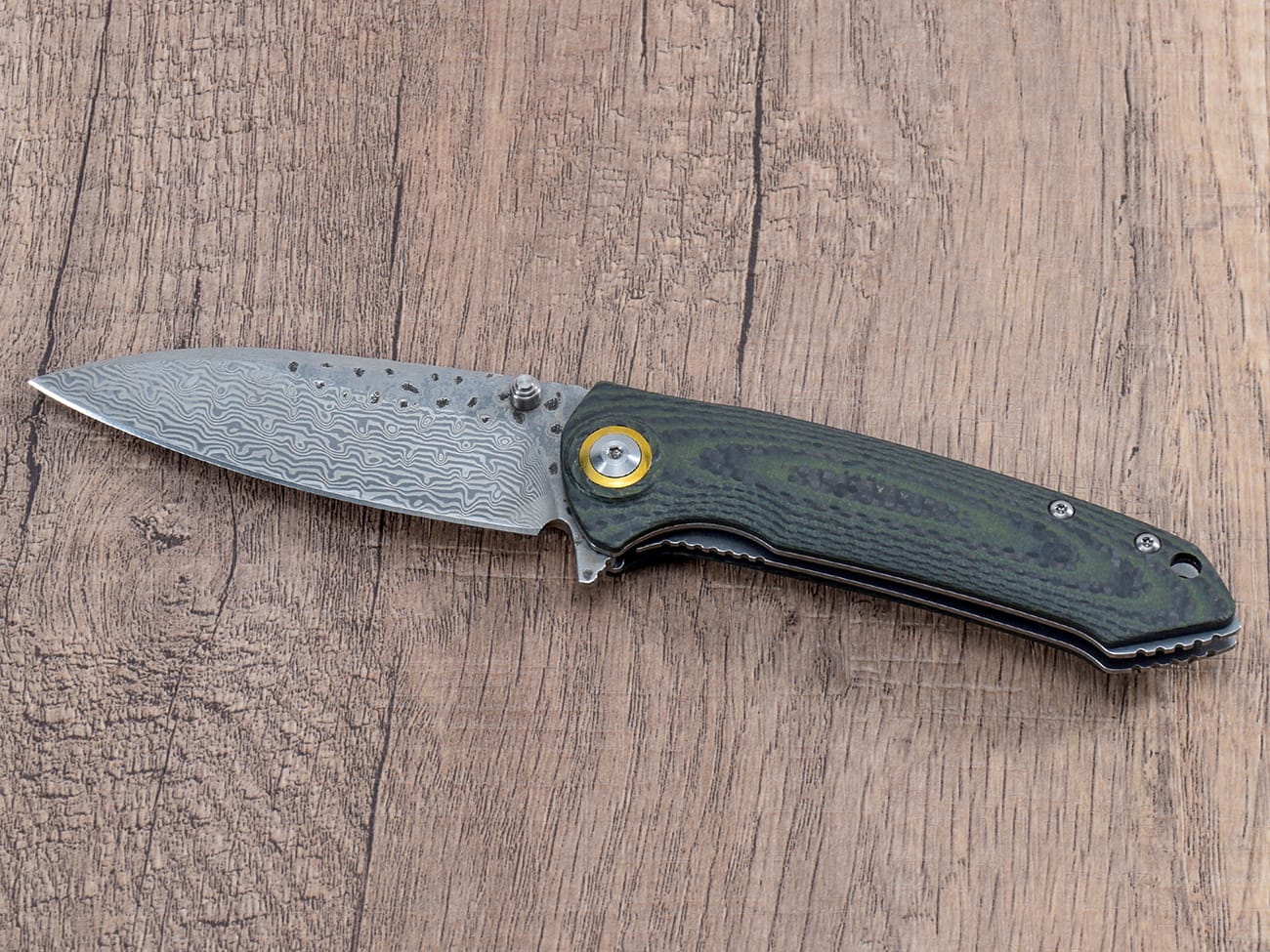
A premium damascus steel pocket knife with G10 handle that benefits from proper break-in
How Long Does the Break-In Process Take?
The break-in process varies from knife to knife:
- Basic folders: 100-200 opening cycles
- Premium custom pocket knives: 300-500 cycles
- Ball bearing pivots: 50-150 cycles
- Traditional slipjoints: 200-400 cycles
Should You Adjust the Pivot During Break-In?
Proper pivot adjustment is crucial during break-in:
- Start with factory settings
- Monitor the action
- Make minor adjustments if needed
- Don’t overtighten
- Allow natural break-in before major changes
Best Practices for Breaking In Your Knife
Follow these tips for optimal results:
- Open and close the blade regularly
- Use smooth, controlled motions
- Avoid aggressive flicking
- Keep the pivot clean
- Be patient with the process
The Role of Lubrication in Break-In
While lubricant can help, use it wisely:
- Wait until after initial break-in
- Use appropriate knife lubricants
- Apply sparingly
- Consider nano oil for premium results
- Clean old lube before applying new
What to Avoid During Break-In
Prevent potential issues by avoiding:
- Excessive force
- Too much lubricant
- Premature disassembly
- Aggressive adjustments
- Rushing the process
When to Consider Professional Help
Seek expert assistance if:
- Action doesn’t improve with time
- Mechanical issues persist
- Unusual sounds develop
- Lock function seems compromised
Key Takeaways for Proper Knife Break-In
- Be patient with the process
- Maintain consistent use
- Monitor progress
- Keep the knife clean
- Make gradual adjustments
- Use appropriate lubrication
- Follow manufacturer guidelines
Internal Links Used:
This guide provides a comprehensive overview of breaking in your new pocket knife. Remember that patience and consistency are key to achieving optimal performance from your cutting tool. With proper break-in techniques, your knife will provide reliable service for years to come.